How to Trigger Flash Off Camera – Optical Triggering and Wireless Radio Triggers
Welcome to our series on triggering your flash off-camera! In these videos, we’ll explore two popular methods: optical triggering and wireless radio triggering. We’ll cover the basics of each method, including how they work, their advantages and disadvantages, and practical tips for setup and use. Whether you’re a beginner or looking to expand your lighting techniques, this series will provide valuable insights into achieving creative off-camera flash photography.
These videos are from our Off-Camera Flash Photography Course.
Part 1 – Intro to triggering flash off-camera
This is the intro video which talks about some important things you need to know about.
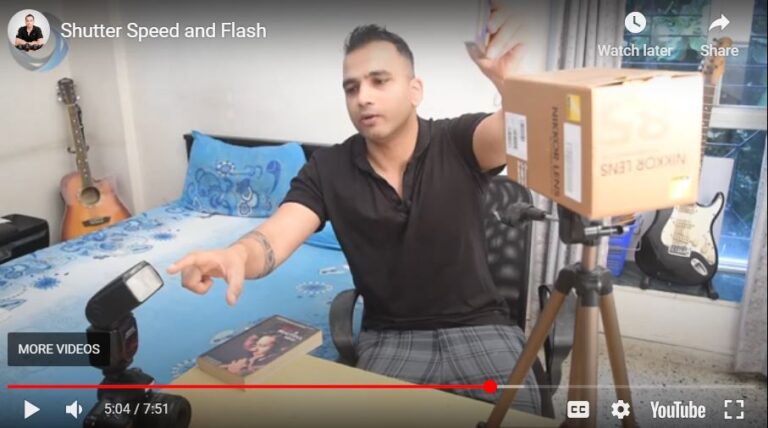
Part 2 – Optically triggering the flash and Slave Mode
This video explains how to fire an off-camera flash using its “slave mode.” When set to slave, the flash detects the light pulse from your camera’s built-in pop-up flash and fires simultaneously. This is a convenient, low-cost method, but it requires a clear line of sight between the flashes, making it less reliable, especially outdoors. The video suggests setting the pop-up flash to manual mode at its lowest power to minimize its effect on the photo. The instructor notes this method isn’t ideal and previews a better solution using radio triggers in the next video.
Part 3 – Using Wireless Radio Triggers
This video explains the best method for off-camera flash: wireless radio triggers. A transmitter mounts on the camera, while a receiver (either built into the flash or as a separate unit) syncs the flash. This is far more reliable than the optical method as it doesn’t require line-of-sight. The presenter recommends the Godox V860 II flash with X1T transmitter for full TTL support but notes many systems work well in manual mode, which is often sufficient for controlled shoots like portraits.
Part 4 – Off-Camera Flash Set up
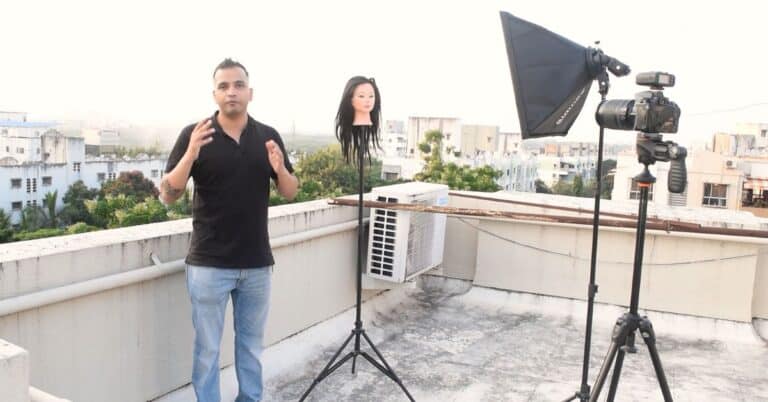
This video explains how to set up an off-camera flash for outdoor use. The basic setup requires a light stand, a flash bracket to mount the flash, and a modifier like a shoot-through umbrella to soften the light. For more advanced modifiers like a softbox, a different bracket with a circular mount is needed. The presenter notes that umbrellas scatter light widely, while softboxes provide more directional control. This equipment is essential for creating soft, controlled lighting in outdoor portrait photography.