Photography 101- Benefits of Using an Off Camera Flash
Lighting is one of the most crucial aspects of photography, and mastering it can elevate your images from ordinary to extraordinary. While an on-camera flash is convenient, it often results in flat and unflattering lighting. This is where an off-camera flash shines—offering flexibility, creative control, and professional-quality results. Whether you’re a beginner or an experienced photographer, learning to use an off-camera flash can transform your portraits, enhance textures, and create dramatic effects that capture attention. Let’s dive into the key benefits of incorporating this versatile tool into your photography workflow. Here’s the video:
This video is from our Off Camera Flash Photography Course.
Video Summary:
This tutorial outlines the key reasons for using an external flash in photography. It addresses common misunderstandings and highlights scenarios where flash is essential or highly beneficial. The core reasons include: balancing foreground and background exposure to avoid silhouettes; filling in harsh shadows created by direct sunlight; creating dramatic lighting effects (like backlit hair highlights) that natural light can’t provide; using flash as a studio light for controlled, professional portraits; and keeping ISO low to prevent noise when shooting in low-light environments (like events or weddings). The video sets the stage for understanding why an external flash is superior to a camera’s built-in pop-up flash.
Timestamps:
0:59 – Reason 1: Balancing Foreground & Background Exposure.
* 1:17 – Shows a silhouetted cat against a bright background, a common problem.
* Explains that adjusting camera exposure brightens the subject but overexposes the background.
* 2:41 – Demonstrates how flash illuminates only the foreground subject, preserving a correctly exposed, dramatic background. Examples include portraits with dramatic skies.
4:58 – Reason 2: Filling in Harsh Light.
* Explains hard light (direct sun) creates defined, unflattering shadows.
* Shows how flash can soften and fill these shadows for more even, pleasing lighting on a subject.
6:05 – Reason 3: Creating Dramatic Lighting.
* Uses a backlit portrait with a hair “halo” effect as an example.
* Explains that this specific look often requires artificial light (flash) placed behind the subject, especially when the natural sun angle isn’t right.
7:42 – Reason 4: Using Flash as a Studio Light.
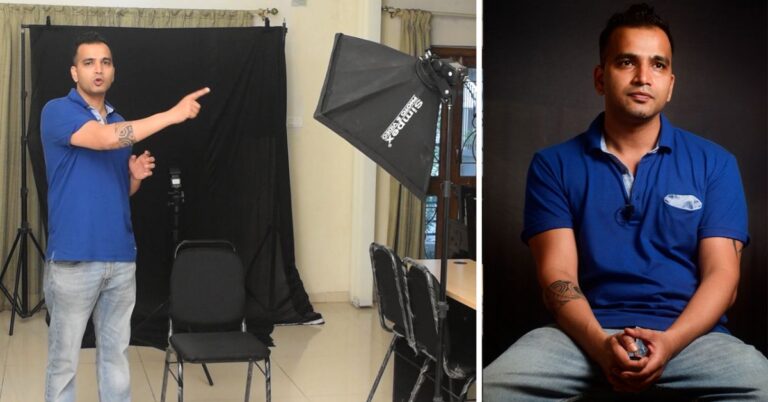
* Mentions that external flashes can be used in a home studio setup with backdrops to create professional, low-key portraits without expensive studio strobes.
9:04 – Reason 5: Keeping ISO Low to Avoid Noise.
* 9:38 – Shows a noisy, grainy image taken in low light with a high ISO.
* 10:30 – Shows the same scene shot with flash, resulting in a clean, sharp image because the flash provides enough light to use a low ISO.
* Highlights this as a critical reason event and wedding photographers use flash indoors.
11:34 – Teases the next video, which will explain why an external flash is superior to a camera’s built-in pop-up flash.