Using Color Gels for Portrait Photography
In this video will be seeing how to use cheap color gels to do studio portrait photography. These color gels are basically colored sheets that will be mounted inside the modifier, as shown in the video. Here is the video:
This video is from our Studio Photography for Beginners Course, which has 31 videos and 4 hours of content. You can access the full course via Udemy, using the link below:
Studio Photography for Beginners Course
Video Summary
This video provides a creative guide on using color gels in studio portrait photography to achieve vibrant, dramatic, and artistic effects.
Key Techniques and Budget Tips
- Budget Solution: Instead of buying expensive professional gels, you can use cellophane sheets from any stationary shop [01:26]. These are affordable and available in various colors like red, blue, and yellow [01:30].
- Mounting the Gels: * For bare lights (strobe or speedlight), you can simply wrap the cellophane around the light and secure it with a rubber band [01:44].
- To use a color gel with a modifier (like a softbox), duct tape the sheets inside the softbox, directly in front of the light source [02:42].
- Achieving Saturated Colors: If the color effect is too subtle, especially when using a modifier, stack multiple layers of the cellophane sheets to increase the thickness and saturation [03:41].
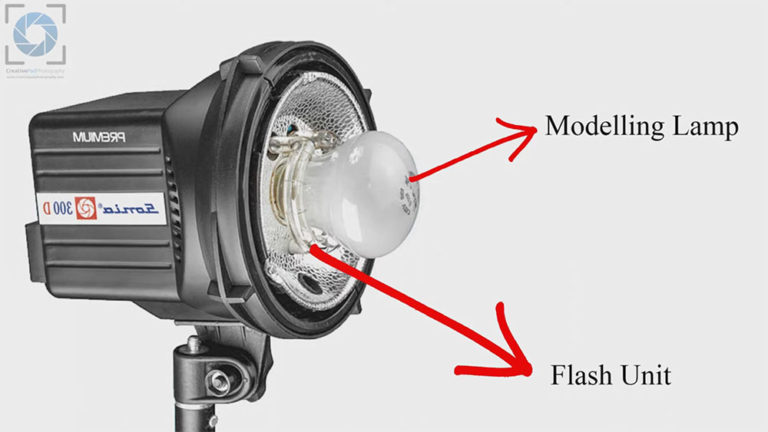
- Safety Warning: Turn off the modeling lamp when using color gels [04:29]. Modeling lamps generate intense heat that can melt or even set the cellophane sheets on fire [04:40].
- Exposure Compensation: Gels act as a physical barrier that reduces the amount of light reaching the subject. You may need to compensate by increasing the flash power, opening the aperture, or slightly raising the ISO [06:51].
Creative Lighting Setups
- Dual-Tone Portraits: A popular setup involves using a key light with one color (e.g., blue) and a rim or hair light with a contrasting color (e.g., red) to add depth and definition [05:11].
- Background Coloring: You can also point a gelled light directly at a black backdrop to change its color, which is a versatile way to customize your studio space without buying different colored backgrounds [00:39].