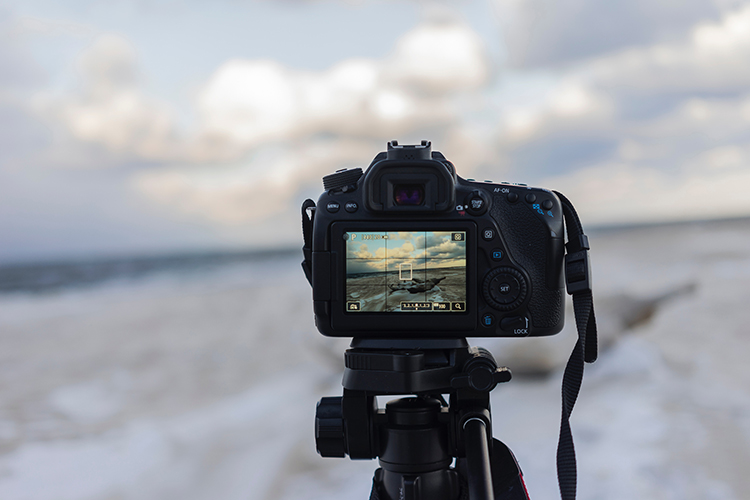
What Aperture Should You Use for Landscape Photography?
In this video we will be learning about what aperture should you be using when doing landscape photography. We will discuss the pros and cons of using different f-stop values and we will also discuss about the phenomenon of diffraction. Here’s the video:
Video Summary
This video explains the critical role of aperture in landscape photography and how it interacts with focus to create sharp, detailed images.
Optimal Aperture Settings
- Aperture and Depth of Field: Lower f-stop numbers (like F4) create a shallow depth of field, which can leave large portions of the foreground or background out of focus in a landscape scene [01:37].
- The Diffraction Problem: While high f-stops (F22–F32) increase depth of field, they cause a phenomenon called diffraction, which makes the image appear “soft” and lose overall sharpness [03:10], [03:57].
- The “Sweet Spot”: F11 is recommended as the best balance between a deep depth of field and lens sharpness [04:31]. Many photographers also use F8, as lenses are often at their sharpest at this setting, though this may require focus stacking for complete coverage [06:10].
- Suggested Range: Generally, aim to keep your aperture between F8 and F16 to maintain quality while ensuring the entire scene remains in focus [06:03].
Related Camera Settings
- ISO: Keep this at its base value (usually 100) to ensure the cleanest image with the least amount of digital noise [06:59].
- Shutter Speed: In landscapes, slower shutter speeds are common. Motion blur in elements like water or clouds is often desirable and falls into the category of long-exposure photography [07:10], [08:08].
- Focusing: To maximize the depth of field, place your focus point approximately one-third of the way up from the bottom of the frame [01:03].
Important Links
This video is from our Landscape Photography Course, which has 30 videos and 5 hours of content. You can access the full course on Udemy by using the link below: