Anatomy of a DSLR Camera Body – Basic Buttons and Functions
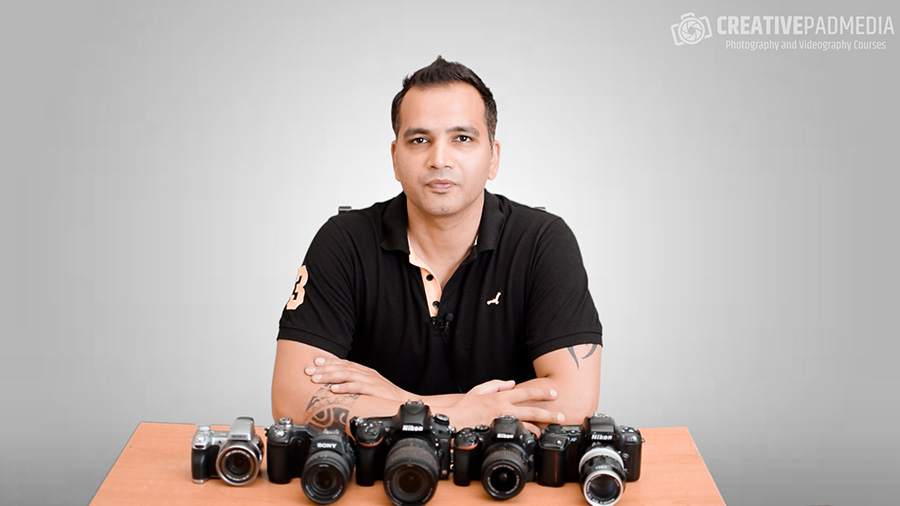
In this video we will be looking at the anatomy of the body of a basic DSLR camera. We will be looking at the various important buttons and functions on the body that every beginner should know of.
In this video the camera shown in the Nikon D5500, but this learning is applicable to most of the other models also because most DSLR cameras have these functions. Here’s the video:
Video Summary
This video provides a foundational overview of the basic buttons and functions of a DSLR camera body, using a Nikon D5500 as a reference while noting that these concepts apply to most camera brands.
Key Camera Components and Functions
- Power and Display: The video begins by demonstrating the power switch and the LCD screen, which activates once the camera is turned on [00:39].
- Lens Management: A core feature of DSLRs is interchangeable lenses. The instructor shows how to use the lens release button to remove a lens and explains how to align the mounting dots (white or red) to lock a new lens back into place [01:21].
- Zoom and Focal Length: The thick ring on the lens is the zoom ring. Numbers on the lens (e.g., 18-55) represent the focal length; higher numbers indicate more zoom [02:14].
- Mode Dial: This dial allows users to switch between shooting modes, such as Manual (M) or Auto. The instructor recommends starting with “Auto without Flash” to prevent the flash from popping up unexpectedly [02:52].
- Shooting Methods: Users can shoot via the Viewfinder for speed and control or use Live View (LV) to see the subject directly on the LCD screen, which is common for video [04:18].
- Focus Modes: The lens typically has a switch for Autofocus (AF) and Manual Focus (MF). While AF is used 99% of the time, switching to MF requires turning the thinner focus ring to sharpen the image [04:50].
- Storage and Battery: Basic physical features include the memory card slot on the side and the battery compartment located at the bottom of the body [07:04].
The video emphasizes that while camera bodies may look intimidatingly complex, most professional shooting only requires mastering a few essential settings [06:14].
Important Links
This video is from our Basics of Photography course, which has 15 videos and 2.5 hours of content. You can access the full course via Udemy, using the link below: