What Does Dynamic Range Mean in Photography? Understanding HDR
In this video we will be understanding the meaning of the term Dynamic Range in photography, which will also make you understand the meaning of High Dynamic Range (HDR), which is a type of photography that is used a lot, particularly in Landscape Photography. Here’s the video:
Video Summary
This video by Creative Pad Media explains the concept of Dynamic Range in photography and how it relates to achieving the perfect exposure in high-contrast scenes.
Key Takeaways:
- Definition of Dynamic Range: It refers to the difference between the brightest (highlights) and darkest (shadows) parts of a photo [03:41].
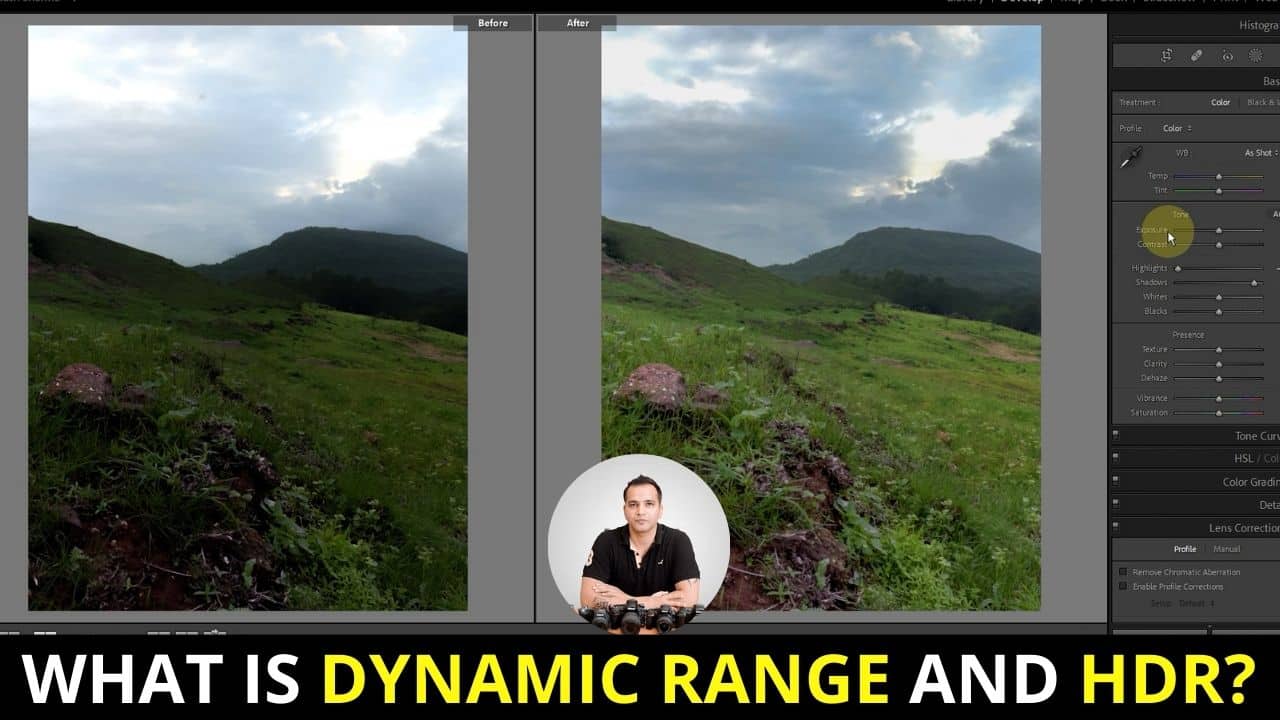
- The Challenge in Landscapes: Scenes often have extreme contrast, such as a bright sky and a dark foreground. Exposing for the foreground often “blows out” the sky, while exposing for the sky leaves the foreground underexposed [02:26].
- Camera vs. Human Eye: The human eye has a significantly higher dynamic range than any camera, meaning we can naturally see details in both shadows and highlights that a camera might struggle to capture in one shot [06:02].
- Equipment Impact: Higher-end cameras (like full-frame models) generally have better sensors that can capture a wider dynamic range in a single image compared to entry-level cameras [05:07].
- HDR (High Dynamic Range) Technique:
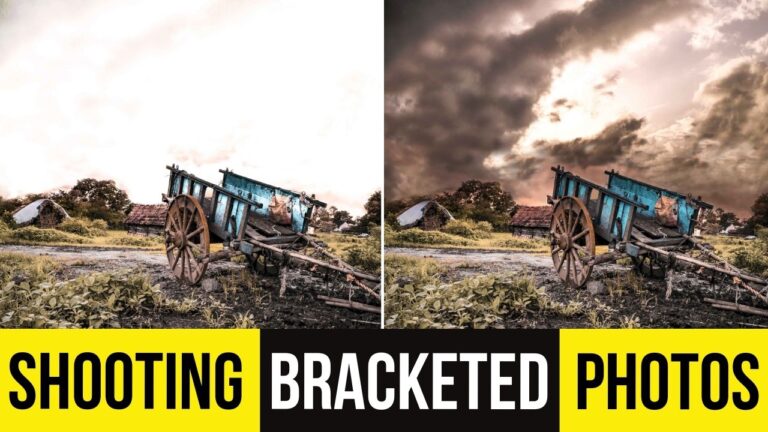
- Bracketing [06:45]: A popular solution is to take multiple shots—one underexposed for the sky, one overexposed for the foreground, and one at an average exposure—and merge them in editing software like Lightroom or Photoshop.
- Editing [07:26]: If the contrast isn’t too extreme, you can adjust the “Shadows” and “Highlights” sliders in post-processing to manually balance the exposure from a single raw file.
Important Links
This video is from our Landscape Photography Course, which has 30 videos and 5 hours of content. You can access the full course on Udemy by using the link below: