What is Hair Light / Rim Light / Back Light in Studio Photography?
In this video we will be learning what is Rim Light in photography. Sometimes this is also referred to as a Hair Light or Back Light. It helps us in separating the subject from the background. In a lot of cases it also used to add more depth and drama to the subject so that subject doesn’t look flat. Here’s the video:
Video Summary
This video explains the role of a hair light (also referred to as a rim light or back light) in a three-light studio setup to significantly improve the quality of portraits and videos.
Key Concepts of the Hair Light
- Subject Separation: Its main purpose is to prevent the subject from merging into the background, which is particularly useful when shooting dark subjects against dark backdrops [00:28].
- Creating Depth: The light creates a “rim effect” or outline around the subject, adding a 3D quality and depth to the image that prevents it from looking “flat” [00:41].
- Cinematic Quality: This lighting technique is a staple in professional filmmaking to help the audience focus on the subject while adding a polished, high-end aesthetic [00:52].
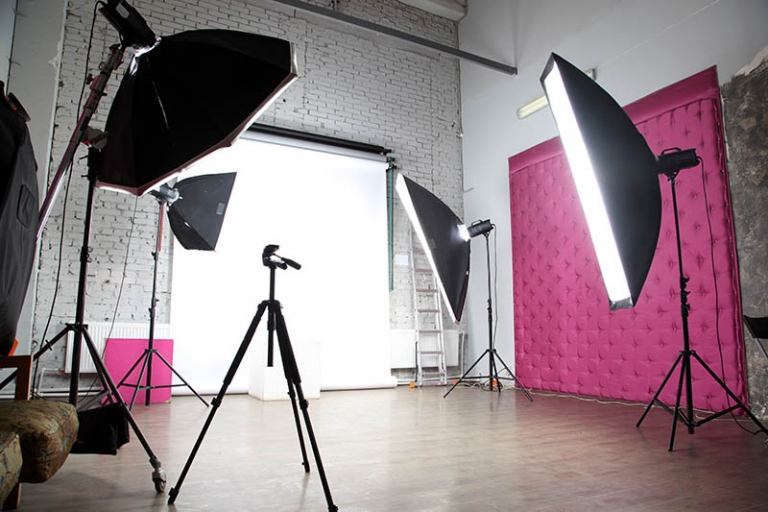
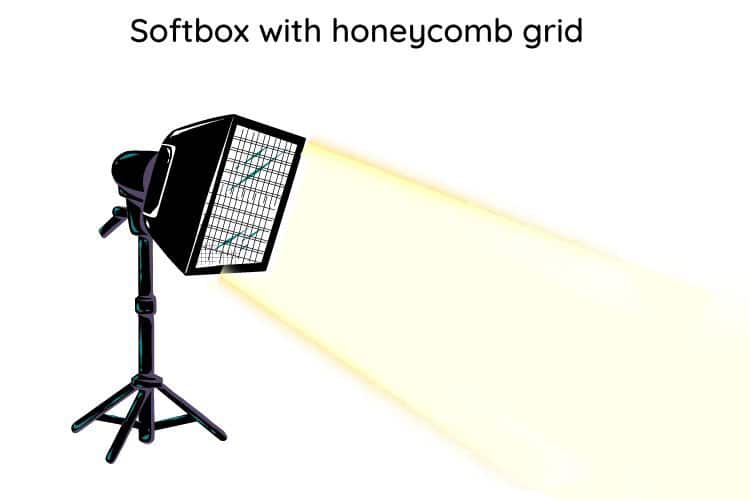
- Placement and Equipment: The light is usually placed above the subject and angled downwards [01:06]. While the instructor uses a snoot modifier for a concentrated beam, you can also use softboxes or even bare flash, as hard light works well for highlighting hair texture [01:42].
- Speedlight Limitations: Using external flashes (speedlights) as a hair light can be tricky because they lack a “modeling lamp,” meaning you must take test shots to see the exact effect of the light [02:13].
- Versatility: Although called a “hair light,” it can also be used as a rim light for the body to provide definition along the shoulders and torso [03:48].
Adding this third light transforms a standard shot into a more professional and emphatic portrait [04:02].
Important Links
This video is from our Studio Photography for Beginners Course, which has 31 videos and 4 hours of content. You can access the full course via Udemy, using the link below:
Studio Photography for Beginners Course